25 Years of Impact
Over a quarter-century, the CEF has – through learning and knowledge sharing – supported thousands of public officials, strengthened institutions, and contributed to the social and economic development of the region.
Regional Ownership
- After 14 years of operations as a Slovenian foundation, the CEF changed its legal status to an international organization in 2015.
- The CEF has eight member countries: Albania, Bulgaria, Croatia, Moldova, Montenegro, North Macedonia, Romania, and Slovenia.
- In addition to its members, the CEF also serves Armenia, Bosnia and Herzegovina, Kosovo, Serbia, Türkiye, and Ukraine, expanding its reach from 6 countries in 2001, to 12 in 2016, and currently serving 14 constituency members.
A Partner for EU Accession
- Four CEF countries have become EU member states: Slovenia (2004), Bulgaria (2007), Romania (2007), and Croatia (2013).
- Eurozone membership has been achieved by Slovenia (2007), Croatia (2023), and Bulgaria (2026).
- All remaining countries in the CEF constituency are candidates or potential candidates for the EU, while Armenia initiated the EU accession process in 2025.
- The CEF has become a regional reference and key knowledge provider for EU candidates, supporting their Economic Reform Programmes and structural reforms, strengthening Reform Agendas and teams through better planning, budgeting, impact assessment, and coordination.
- Almost 400 public sector auditors and 750+ public sector accountants have been trained with internationally recognized CIPFA certificates and diplomas.
Global Recognition and Trust
- Successfully passed the European Union Pillar Assessment in 2018, confirming strong financial management, internal controls, and institutional processes.
- Recognized by the OECD DAC as a development assistance provider.
- Serves as an official channel for implementing international development cooperation under Slovenia Aid and Partnerships.
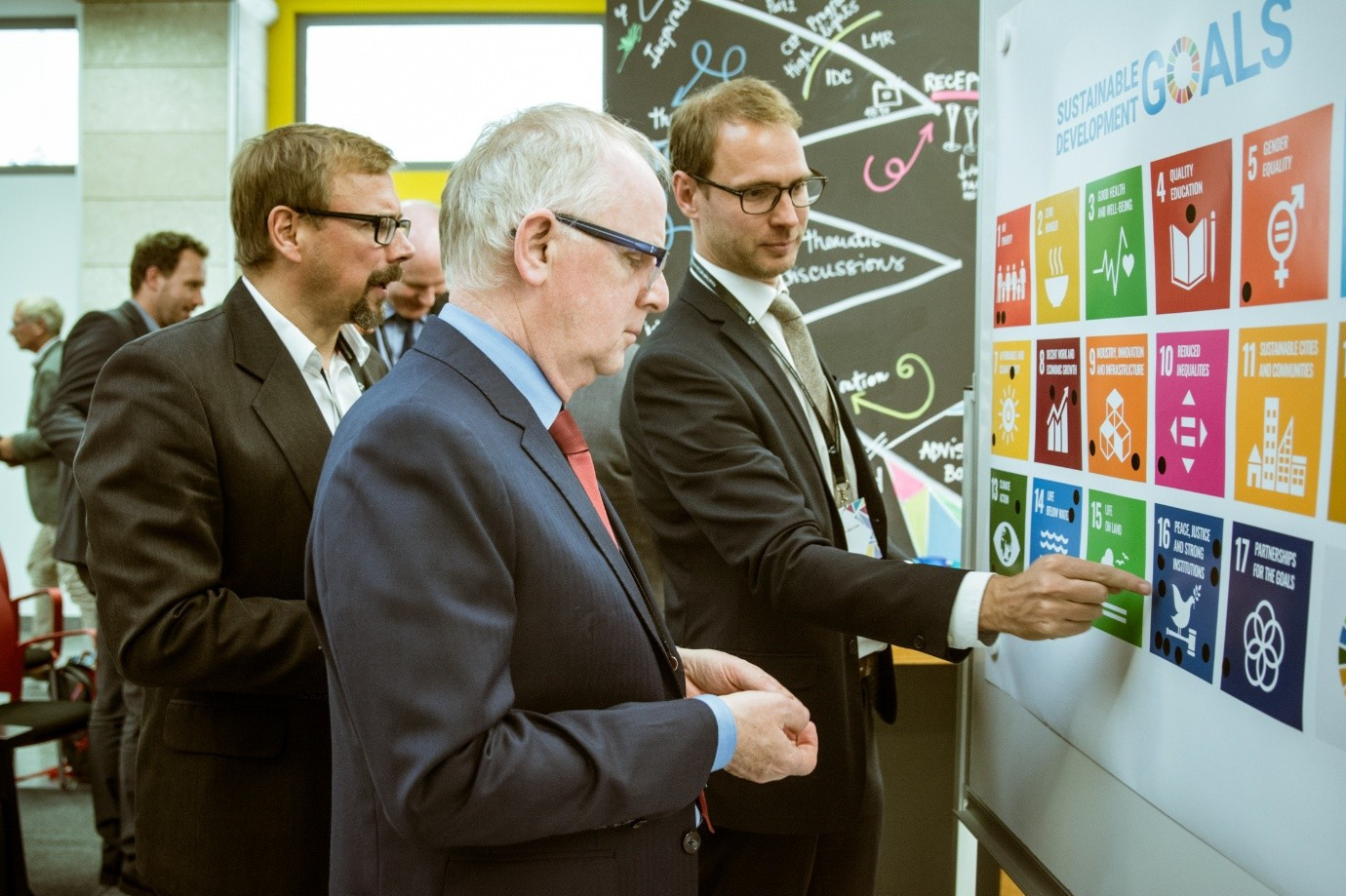
- Contributes to Agenda 2030, with a focus on Sustainable Development Goal 16: Peace, Justice and Strong Institutions and SDG17: Partnerships for the Goals.
- From early on, the CEF has partnered with the International Monetary Fund (IMF), linking technical assistance with peer-to-peer learning to support reform implementation.
- Member of the learn4dev network, an international network of development organizations.
Our Work and Expertise
- A key learning partner for public officials in the CEF constituency in South-East and East Europe.
- Learning programs delivered across four areas: public financial management, central banking, leadership for managing reforms, and learning and knowledge ecosystems.
- Activities implemented through multi-year projects, country-specific and regional learning activities, and certification programs.
- Facilitating cross-institutional learning through partnerships and job-shadowing visits.
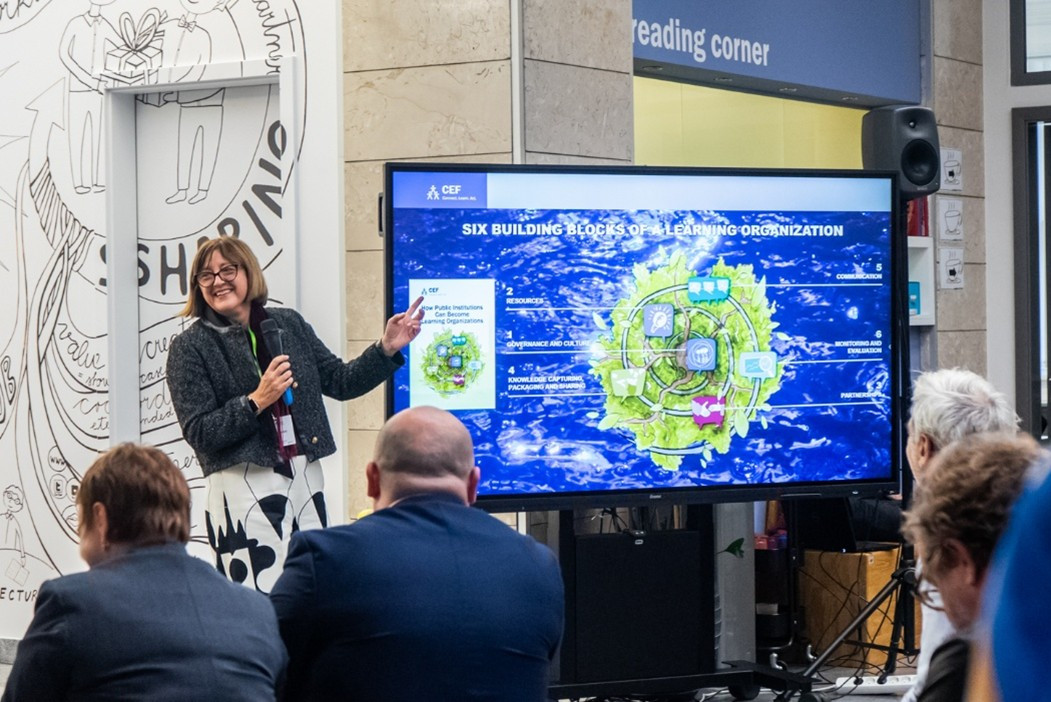
- Developed our own methodology to help public institutions become learning organizations.
- In cooperation with experts, developed essential methodologies for various thematic areas: Costing methodology, Impact Assessment Methodology, Asset Management Glossary.
- Modern digital library with nearly 200 learning resources.
- Learning and knowledge management are at the core of the CEF’s mission, supported by a participatory approach and a strong emphasis on peer-to-peer learning.
- Actively nurturing professional networks that enable sustained peer-to-peer learning and reform dialogue.
- Operates a two-dimensional learning space – physical and digital – including the CEF Online Learning Campus, which has been active for over 10 years and proved essential during the COVID-19 period in ensuring continuity of learning.
Our Team and Growth
- Growth from 3 team members in 2001 to 46 in 2026.
- A diverse international team with backgrounds including Bosnia and Herzegovina, Georgia, Germany, Kosovo, Montenegro, North Macedonia, Serbia, Slovenia, and Türkiye.
- Modern premises in the CEF headquarters, equipped to support learning in the 21st century.