
The Intelligent Age Will Be Human Only If We Keep Learning
I went to the OEB Conference, Humanity in the Intelligent Age, with a notebook and more questions than answers. I expected a learning event. What I found felt bigger. It was a live conversation about how we learn, why it matters, and how we make sure the future stays human.
For someone from the CEF, it felt like looking into a mirror. Not a perfect mirror, but more like one that shows where we are, the direction we could grow, and where we could help others grow.
But even more than that, being a part of the 30 under 30 program was the real gift, as it allowed me not just to listen, but also to contribute. I met people who care about the same things we do, from very different places. After a few days of those talks, it became clear to me that lifelong learning is not a slogan. It is how we keep up. It is how we lead. It is how we stay honest about the pace of change.
Technology Is Advancing Fast. Our Values Must Lead the Way
Of course, technology was everywhere in the discussions. Adaptive tools. AI. Collaboration at scale. But the conversations I remember most kept circling back to simple words that are not simple at all: empathy, responsibility, and inclusivity. If there is a compass for the intelligent age, these are the directions. Without them, innovation drifts. With them, it serves.
This is where I see the CEF clearly. We are not just transferring knowledge to public officials. We are helping people build the mindset to act with care, clarity, and accountability in systems that are changing fast. Our mission fits naturally into this moment. When we show up to global conversations like OEB, we bring new ideas home. We test them. We adapt them. And we use them to inspire better governance in our region.
People, Not Platforms, Drive the Future of Learning
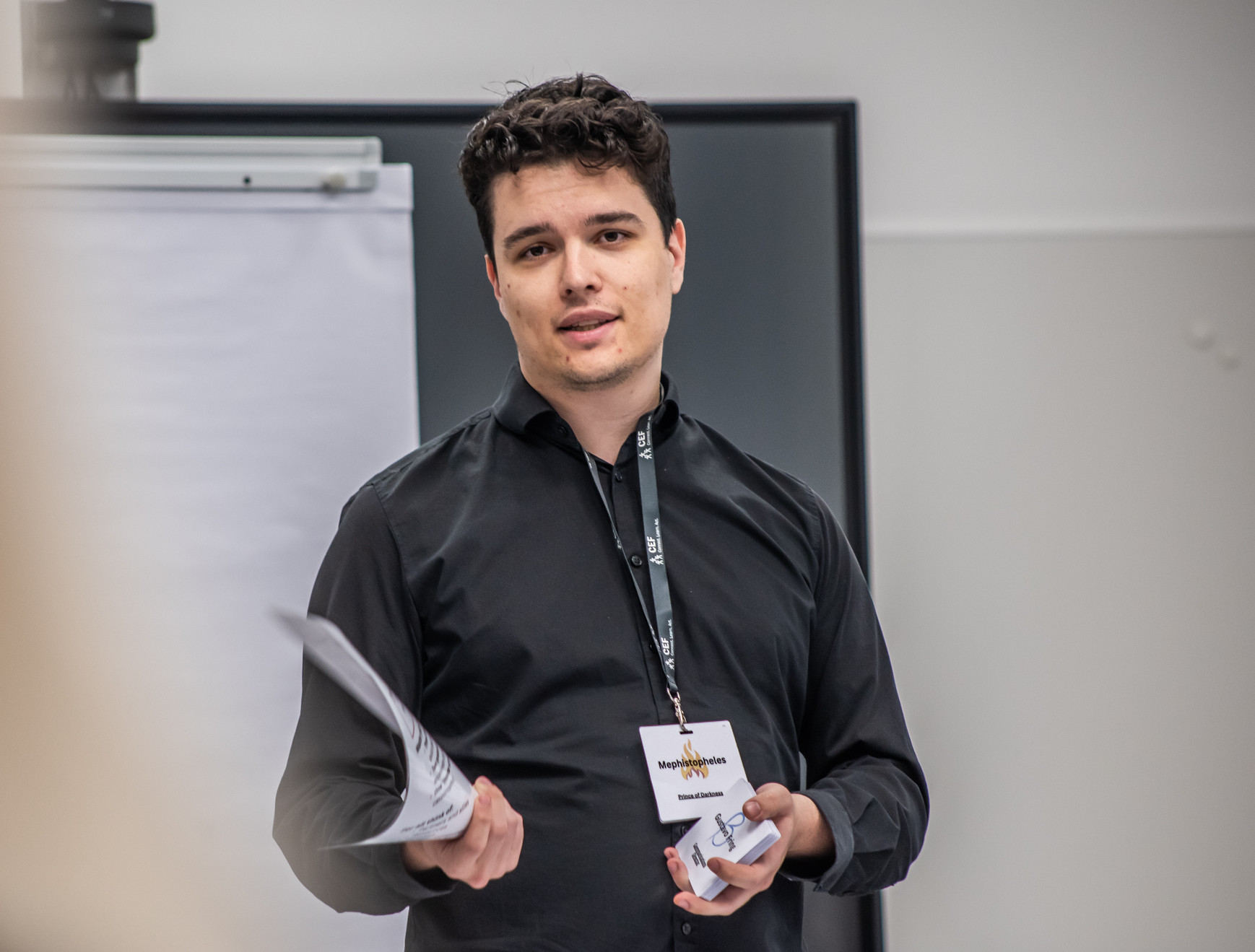
One takeaway that stayed with me is simple: the future of learning depends on people, not platforms. At the CEF, we say our people are our greatest asset. I feel that personally. Being trusted to show up, learn, and represent us matters. It grows confidence. It opens a perspective. It makes my work feel alive. And it reflects our values in practice. Development and learning are not just paper values when you invest in younger colleagues and let them try. Equity and inclusivity are not slogans when you make space for different voices and generations to build together. Experiences like this do something quiet but important. They make emerging leaders a little braver. They make teams a little more open. They make an organization more ready for what is next.
I left OEB with a calm kind of excitement. The challenges are big, and none of us can solve them alone. But I could see the space where the CEF belongs, and it is a space I believe in: between knowledge and practice, between the public sector and public education, between innovation and values, between learning and the public good. And with this in mind, I hope to return this year with an even more active role for me and the CEF.
If the intelligent age asks us to keep evolving, the question for me is not whether we can keep up. It is how intentionally we choose to shape what comes next. For that, learning is not just our tool. It is our commitment. And it is one I am proud to carry.